In this issue
The Open
|
The MrTinned Report · No. 13
Silver
and the fish the trade was built on.
|
Every tin in the aisle is a copy of the sardine. The anchovy in oil, the tuna in brine, the mackerel in tomato, the mussels in escabeche: the whole shelf descends from a business first worked out, at scale, on this one small silver fish. It is the oldest thing in the modern aisle and the reason the aisle exists at all.
Sardina pilchardus is a small fish that moves up the Atlantic in vast schools, from Morocco to the Bay of Biscay and through the western Mediterranean, and for centuries it came ashore in such numbers, and so cheaply, that it fed entire coasts. It is also oily, which turned out to be the crucial thing, because oil is what survives a can: a lean white fish turns to cotton wool under heat and time, while a fat one holds together and can even improve.
The trade began in Nantes, in 1824. A confectioner named Pierre-Joseph Colin, working from the sealing method Nicolas Appert had proved a few years earlier, packed sardines in oil in a tin and found they kept beautifully. Within a decade his factory was turning out tens of thousands of tins a year, the Breton coast filled up with canneries doing the same, and the shape of the whole trade, the presses, the ports, the flat little key-opened tin, formed around that first sardine line.
The fish fattens through the summer, feeding in the cold, plankton-rich Atlantic, and the good canneries pack it at that peak, in the few weeks it carries the most oil. So a tin is a particular summer caught and kept, the fattest weeks of the year sealed under a lid and set on the shelf to wait for you.
The fish that taught the world to can is still there at the cheap end of the aisle, still the best value in it, and a good tin, warmed just enough to loosen the oil and laid on bread or a boiled potato, is as fine as anything on the shelf it started.
House pick
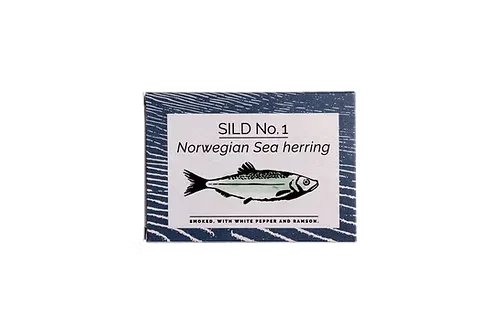
Sild No. 1 Smoked Herring with Pepper & Ramson
At The Canned Company: Australia's dedicated importer of European artisanal tinned fish, since 2015.
Visit store →The Market Report: the week's real price drops and deals. Free, every Saturday.
Join the list
The Tin
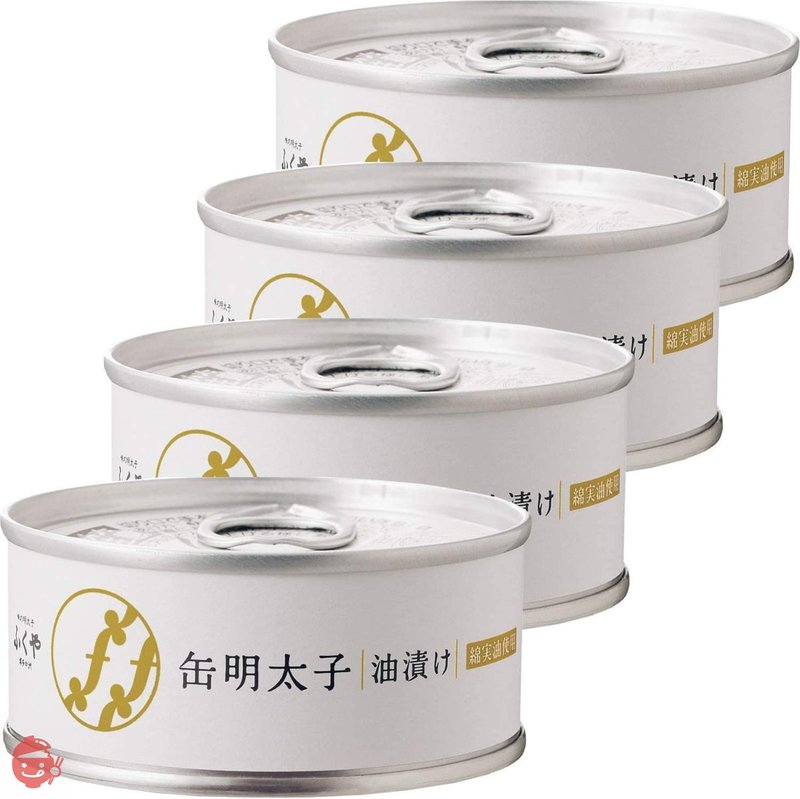
Mentaiko, in a Can
In the issue, 8 August
$30.56
Today, 25 September
$29.99Lower now
The house that invented mentaiko, and then gave it away.
Mentaiko is Alaska pollock roe cured in chili, and it has a single father. Toshio Kawahara carried the idea from the Korean peninsula to a scorched postwar Hakata in 1949, then spent the better part of a decade softening it for Japanese tastes, folding in sugar, dashi and kelp until the fierce Korean version became the milder, sweeter thing Fukuoka now runs on. His house, Fukuya, still packs it.
What he did next is the rarer part. He refused to patent the method or keep it to himself, and taught it, for free, to the rivals who grew into an entire regional industry, on the logic that there should be as many kinds of mentaiko as there are kinds of pickle. A tinned, oil-packed version of a thing normally sold cold and fresh is rarer still.
Open a tin and the roe breaks into thousands of tiny salt-and-chili beads. Fold it through hot buttered pasta, the Fukuoka way, or spoon it straight over warm rice.
$30.56 for a pack of four 85g tins at Japacle, shipped direct from Japan as a personal import, a week or two out.
What are you opening this week? Tell us →
The Radar
Spain runs out of sardines.
Spain has closed its 2026 sardine fishery early, after the fleet exhausted a quota already cut to 16.8 million kilos, while Morocco's ban on frozen-sardine exports keeps the main outside supply shut. Dockside sardines have reached around 1.50 euros a kilo, up fifty cents in two years, and the Galician and Portuguese canneries are warning about raw material. It is an upstream squeeze, the kind that shows up on a shelf months later.
The can, not the catch.
The United States has now formally announced preliminary duties on the foreign tin used to seal a can of seafood, and a separate round of Section 338 tariffs takes effect on 19 August with tinned fish itself left off the list.
The Find
“Where do you think the UK sits globally on tinned fish?”
A poster pushes back on the usual map, the one where Portugal is the spiritual home and Spain and France fill in just behind, and makes the case that Britain is doing far more than it gets credit for: Rockfish canning British-caught fish down in Spain, the Cornish cannery Hevva! with its small-batch sauces, Dorset's Sea Sisters, the organic Fish4Ever. Underneath the league-table fun it is an argument against buying by reputation, against the instinct to reach for the flag you have heard of and walk past the one you have not.
Read on r/CannedSardines →What are you opening this week? Tell us →
The Close
Next week: the few millimetres of oil, or brine, or tomato that the fish sits in, and why the liquid most people tip straight down the drain is the biggest decision in the whole tin.
Was this issue useful?
Writing about tinned fish? Our data is quotable with attribution. Get in touch →