Some have been canning since before the second world war.
Thirteen of this week's new brands are Japanese. All relatively unknown to the wider world until now.
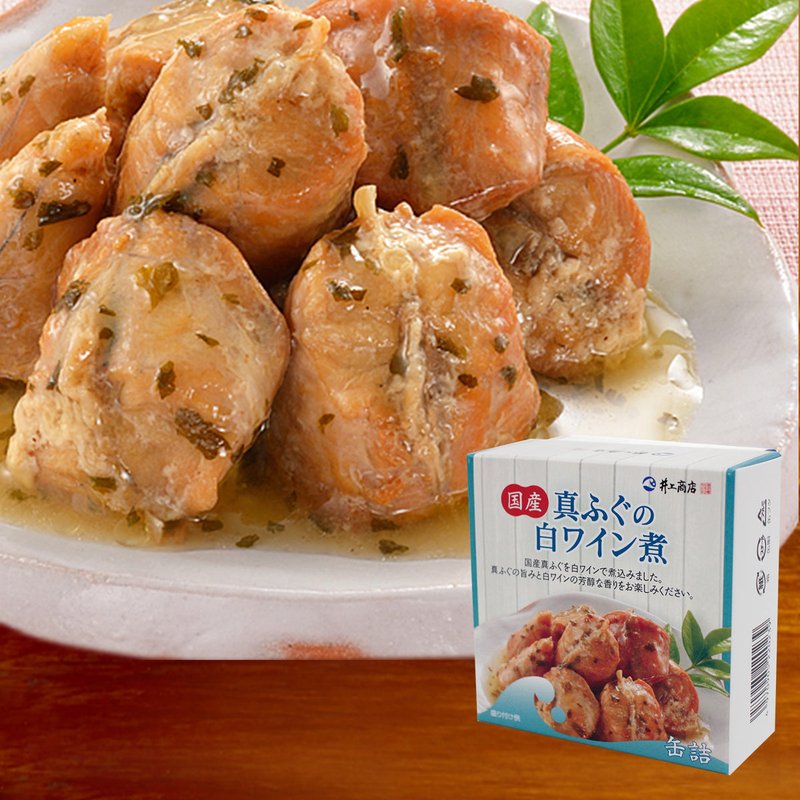
Some of them have been at this for over a century. Tsudau Suisan has been running a fishing and food processing operation in Murotsu, Hyogo since 1948, sending oysters and canned seafood out of that same coastal port for decades without anyone outside Japan taking note. Suto was founded in Hokkaido in 1923 by Junji Suto, who started the business independently at age 24 after working in the seafood trade. Over a century later the company is one of Japan's most established canned seafood producers, known particularly in the food service industry for its crab, scallop, salmon and Pacific saury from Hokkaido waters. Hamadaei, out of Mikata-gun in Hyogo, has spent decades doing something more specific still: specializing entirely in hotaru ika, firefly squid, a bioluminescent species pulled from Hyogo's coastal waters each spring, simmered in soy, and sealed in a tin. So niche that it required a new taxonomy entry in the database just to document it properly. Kinoya Ishinomaki Suisan, out of Miyagi and founded in 1957, has been making eel in soy sauce the same way for nearly seventy years, with no particular interest in being discovered by anyone outside the region.
These are not emerging brands chasing an audience. They are not new. They have been there the whole time, operating quietly and without fanfare, now they are in the database.
And then there is Ça va?. Founded in Iwate in 2013, two years after the tsunami devastated the Sanriku coast, it began as a cooperative effort between local companies and the prefecture itself, built simultaneously as economic recovery and as a statement about the exceptional quality of fish coming out of those waters. The name is a bilingual pun: saba is Japanese for mackerel, and Ça va? is French for how's it going, a greeting sent from an afflicted region to the rest of the world. The tin was designed to be beautiful, with a bright yellow background and a bold blue mackerel, packaging that looked like it had been imported from Europe even though it was entirely Japanese. It went into souvenir shops in Iwate, spread to retailers across the country, sparked a nationwide mackerel canning boom, and sold 12 million cans over its lifetime. Then the Kamaishi factory suspended operations, the mackerel catches collapsed, the olive oil prices rose, and one by one the five varieties sold out. The remaining tins that exist are all that's left, and right now the single retailer we know of that carried it shows out of stock.
Thirteen of these producers were documented this week, one of them is already lost to history.