|
MrTinned Report
| Issue 10 |
Saturday, 18 July 2026 |
Weekly |
Forwarded by a friend? The weekly report is free. Get your own → |
|
|
The Open
|
The MrTinned Report · 10
Fat
and the cut that couldn’t keep.
|
Fat is where the flavor of a fish lives, and fat is also where the rot begins. Every cook knows the first half of that sentence and every fishmonger has learned the second. The belly of the tuna is where the two halves collide: the richest cut on the animal is also the first part of it that will spoil. For most of history the belly was eaten beside the boat or it was not even eaten at all, and the story of how the worst-keeping cut in the sea became the most expensive tin on the shelf is the story of two countries running into the same wall, a century apart, and getting past it in opposite ways. Japan got past it late, and the reversal could hardly have been more complete. Well into the 1960s the bluefin tuna was just a sport fish that Americans called horse mackerel, it was hauled in for photographs off Nova Scotia and Maine and then would be sold for pennies or maybe ground into cat food, and the fatty belly was the least wanted part of an already unwanted animal, because the lean red meat would at least keep but the toro would quickly rot. Refrigeration began to change the arithmetic, jet freight finished the job by putting a fresh fish across an ocean faster than its own fat could turn, and by the time a New York critic sat down at a Japanese counter in 1983 then praised the fatty tuna, the reversal was well underway. Toro is now the single most expensive routine bite in the world, and the entire trade that supplies it still rests on machinery racing spoilage across an ocean. Spain never needed to race, because Spain had the can. The canneries of the Bay of Biscay, Ortiz salting in Ondarroa since 1891, and Arroyabe canning in Bermeo since 1898, grew up on the summer run of bonito del norte, the white tuna of the Cantabrian coast, and somewhere within that first generation the canning houses worked out what to do with that belly. Cooked gently in seawater, then lifted out whole and laid into the tin by hand, to be covered in olive oil and sealed away from the oxygen that turns fat rancid, the cut that could not keep suddenly kept better than anything else in the catalog. The fat that would have spoiled in about a day instead settles and deepens for years. Ventresca is one of the few foods whose own makers will tell you that it improves in the tin, and readers of the vintaging story in Issue 2 already know that claim is actually measured, not simply romantic. The gentle hand matters more here than anywhere else in the cannery. A loin is firm enough to be cut and packed by machine, but the belly is so soft and so finely layered that machinery would leave shreds, which means every tin of ventresca in the world was packed by someone's fingers, one strip at a time. Do the math and the price begins to explain itself: a whole bonito carries a single belly, a few ounces of it, on a fish that gives many times that weight in loin. As you read this, the fish are coming over the ship's rails. The costera del bonito, the summer campaign that the Basque, Cantabrian, and Galician ports have run for centuries, peaks in exactly these weeks of July. The boats still pull the fish the same old way, one line at a time, on hooks baited live, a method so selective that ninety-eight percent of what comes aboard is the target species, and the whole campaign works inside a quota of 26,000 tonnes. What lands this week will spend the next year becoming tins. So the question ventresca always invites, how one small tin can cost what a whole case of sardines does, has an answer that is neither marketing nor mystique. It is the scarcest cut on the fish, taken one animal at a time, hand packed one strip at a time, by an industry that solved the oldest problem fat has, a full eighty years before refrigeration got around to doing it. Buy one tin and treat it simply: room temperature, on bread, with nothing else competing. The fat does the rest.
|
|
|
One to know · We may earn a commission
|
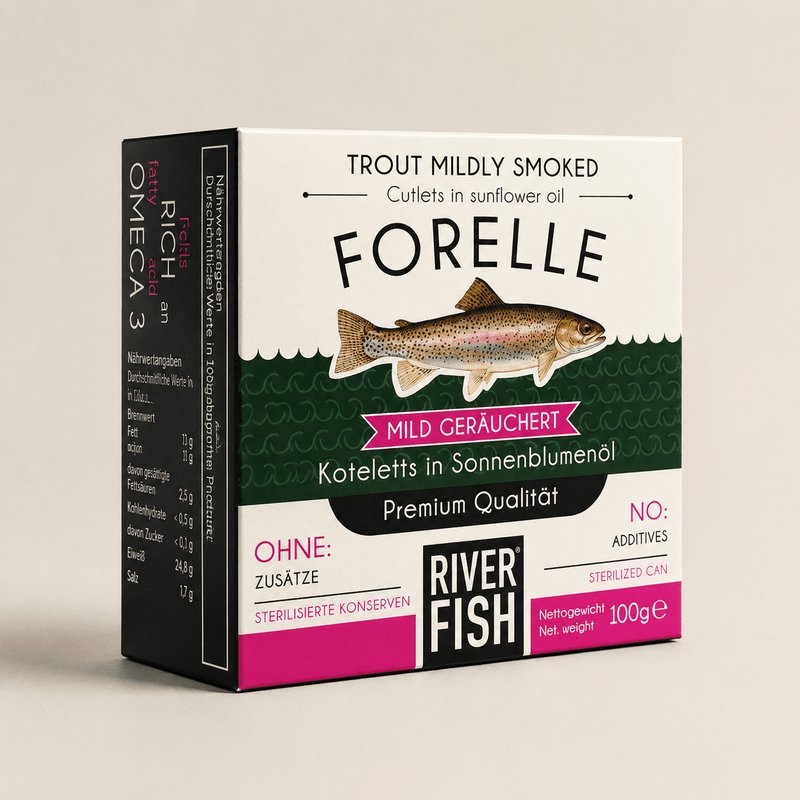
Last Catch 2016 — 10-Year Aged Vintage Trout
At Last Catch: A single 10-year-aged vintage of Serbian canned trout, 6,000 cans left and never to be made again.
Visit store →
|
|
|
|
|
The Database
Here is what happened this week.
|
13
NEW PRODUCTS
|
240
RESTOCKED
|
20
PRICE CHANGES
|
|
548
SOLD OUT
|
2
NEW BRANDS
|
0
NEW RETAILERS
|
Figures captured at publication. The market is live and always shifting at mrtinned.com. A quiet week for arrivals and a heavy one for stock truth: the weekly catalog pass marked a few hundred listings sold out in a single afternoon, and most of them have stayed that way, while restocks also came back by the hundreds. Two new labels, Paese Mio and La Lola entered the catalog, and the health checks kept re-queueing dead images and lining up duplicate records for merge.
|
|
|
The Move
|
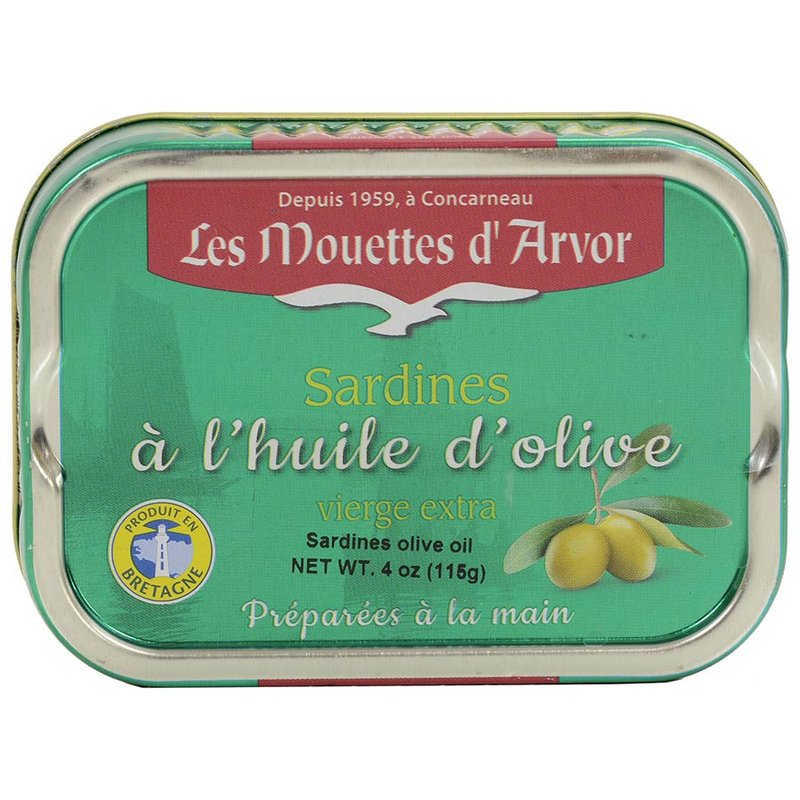
Gourmet Food Store cuts Les Mouettes d'Arvor sardines fifteen percent.
Les Mouettes d'Arvor is Conserverie Gonidec, the Concarneau house from last week's candied-lemon Deal and from the vintaging story back in Issue 2, still the only cannery in its port packing by hand. This time it is the house classic, sardines in extra virgin olive oil, marked down from $14.36 to $12.21 for Bastille Day. It is the reference French sardine, firm and clean and built to sit in a cupboard improving, and the right way to eat it is the Breton way: from the tin, on buttered bread.
$12.21
$14.36
15% OFF
Buy now →Price history and watch →
|
|
|
|
The Tin
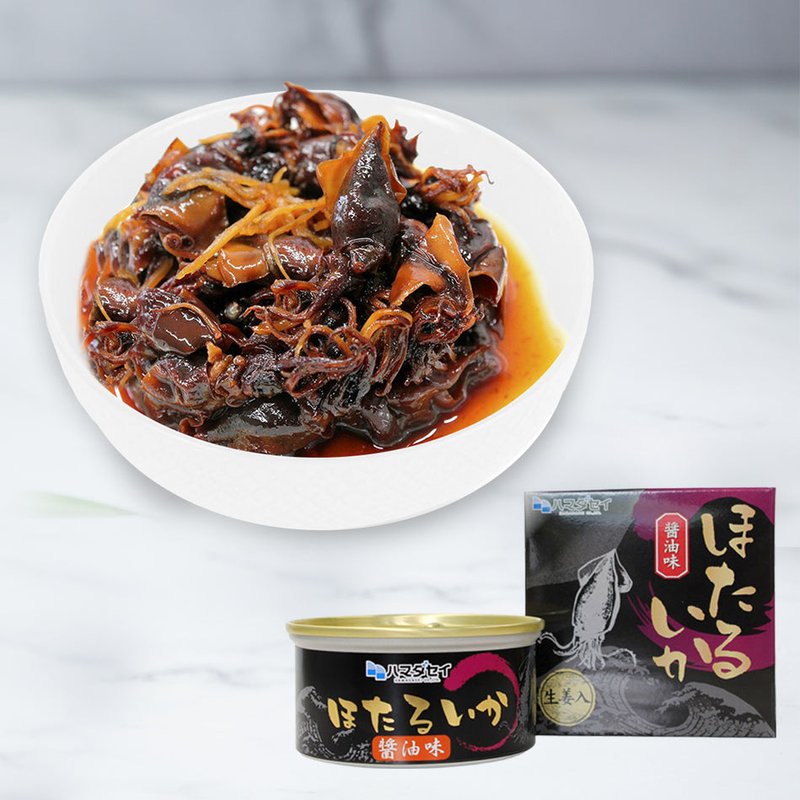
Seafood Firefly Squid Simmered in Soy Sauce
HAMADAEI · HYOGO, JAPAN · YAMITSUKI
The squid that glows, nine issues later. Hamadaei has been in these pages before. When Issue 1 introduced the first wave of Japanese producers, this was the house so specific about its work, decades spent on a single bioluminescent squid, that the database needed a new taxonomy entry just to file it. For a few weeks every spring the firefly squid, hotaru ika, rises out of the deep water of the Sea of Japan to spawn. It is an animal the length of a finger, covered in light organs, and when the boats haul their nets before dawn the catch glows blue. Hyogo prefecture lands more of it than anywhere else in Japan, and Hamadaei works at the source, on the Sanin coast, taking the local catch as it comes. The tin simmers the whole squid in soy, the old Japanese pantry method that cooks small seafood down until it is tender, deeply seasoned, and made to sit beside rice. Each squid is a complete bite, mantle and tentacles and the rich middle that behaves like a sauce the animal packed itself. Nothing else in the aisle eats quite like it. Yamitsuki ships everywhere but the United States; American readers will need a forwarding service like Buyee or Tenso, or a little patience until the Tariff nonsense gets resolved. $22.00 at Yamitsuki. |
What are you opening this week? Tell us → |
|
|
The Deal
|
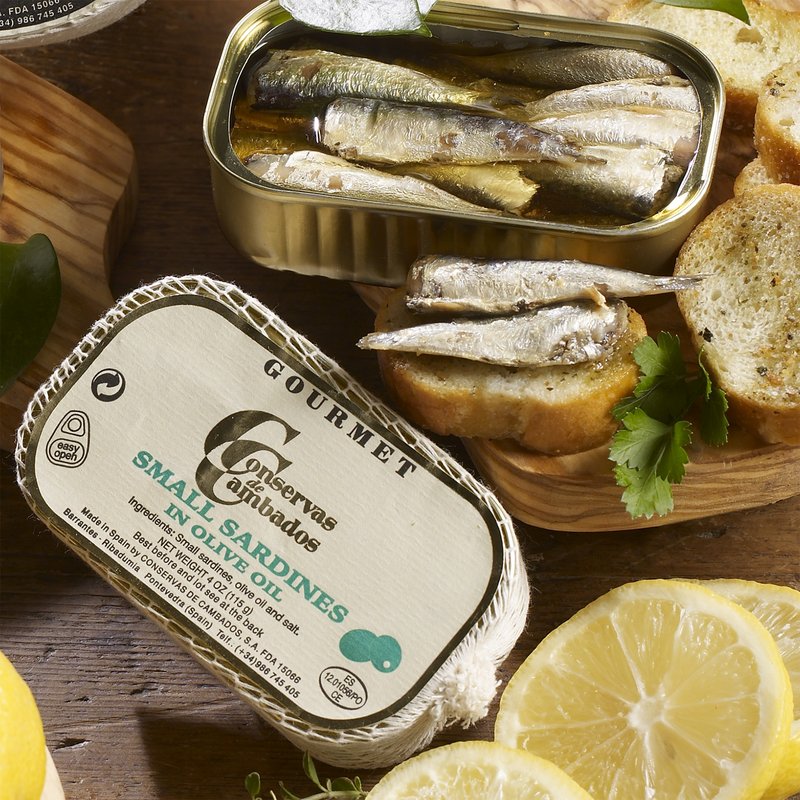
Gourmet Delights takes eighteen percent off Cambados sardinillas.
Conservas de Cambados cans beside the Ría de Arousa, the largest of Galicia's estuaries, where more than a hundred packers, most of them women, still lay the fish in by hand, and its tins wear the printed pattern of Galician fishing nets, some of the most recognizable packaging in Spanish conservas. Sardinillas are the small sardines, finer-boned and more delicate than the full-size fish. This is the house version in olive oil at a confirmed markdown, $11.45 down from $13.95. A good first step into the smaller fish: straight from the tin with a toothpick, aperitivo style.
$11.45
$13.95
18% OFF
Buy now →Price history and watch →
|
|
|
|
The Find
“Does anyone else just eat the sardines straight from the can?”
A newcomer on r/CannedSardines confessed this week to eating their tins with chopsticks, straight, no plate, and the whole room answered as one: of course, that is what we are here for. The interesting part though was the reasoning that surfaced. The regulars, it turns out, taste every new tin plain first, even the ones that are destined for a rice bowl or a pasta, because the first unadorned taste is the only way to learn what a tin actually is and what it wants alongside it. The recipe always comes second; first you listen. It is the same discipline this newsletter keeps arriving at from other angles: read the fish before you dress it.
Read the thread →
|
|
|
The Radar
Prospect Harbor.
America canned its last sardine in April 2010, when Bumble Bee shut the Stinson plant at Prospect Harbor, Maine. The factory had stood on that harbor since 1906, the last survivor of an industry that once ran dozens of canneries up and down the Maine coast, and its closing was the quiet end of American sardine canning altogether. In September 2025 three veterans of the state's lobster trade bought the site and started it back up as Bold Coast Seafood. The catch will be different this time: they are processing lobster and Jonah crab, not sardines, while running a research lab alongside it. So the tins will not return, but the plant is working again, and the last American sardine cannery is no longer sitting dark.
Visit →
|
|
|
The Close
Next week: a harvest grown on ropes hung from wooden rafts and preserved in an ancient sauce a thousand years older than the tin.
|
|
|
Was this issue useful?
Yes →
No →
|
|
|
Writing about tinned fish? Our data is quotable with attribution. Reply to this email.
© 2026 MrTinned. All rights reserved.
PO Box 2941, Winnetka, CA 91396, US
|
|