|
MrTinned Report
| Issue 12 |
Saturday, 1 August 2026 |
Weekly |
Forwarded by a friend? The weekly report is free. Get your own → |
|
|
The Open
|
Morocco
the unknown
engine
|
You have almost certainly eaten a Moroccan sardine without ever being told you had. The tin might have said France, or Portugal, or nothing much beyond a supermarket's own name, yet the fish inside, and very often the factory that sealed it, belonged to a country that rarely earns a mention on the label or in the conversation. More than half of all the canned sardines in the world come out of Morocco, and it is the one part of the sardine's story that almost nobody thinks about. The reason is written into the water. Off Morocco's Atlantic coast runs one of the richest upwellings on earth, the Canary Current dragging cold, nutrient-heavy water up from the deep, and where that water reaches the light it grows the plankton that sardines live on. Sardina pilchardus, the same European sardine packed in Galicia and Brittany, runs in numbers no European fleet can match, something over five hundred thousand tonnes landed in a recent year, and it comes ashore really cheap, right beside the ports built to can it. The industry grew up around that abundance. Safi, a pottery town on the central coast, turned into a sardine port in the 1930s and the sardine capital of the country by the 1950s. It still holds around twenty of Morocco's forty-seven canneries and packs close to a third of the national output, with Agadir and Essaouira and the southern ports filling in the rest. Hundreds of thousands of people now work somewhere along that line, from the boats to the packing belt. What Morocco built was not a famous name but a capacity, and capacity is quiet. Its factories pack sardines in oil, in tomato, in harissa and in brine, and ship them to supermarkets from Europe to the Gulf to Japan, a great deal of it under other people's names. The cheap tin in the budget aisle, the supermarket own-brand, the sardine that says only packed in the EU, is very often a Moroccan fish off a Moroccan line. It is the unknown engine of the whole category, the volume that keeps a sardine one of the last genuinely cheap proteins on the shelf, run by the country that's least likely to be credited for it. Engines can be throttled, and in 2026 Morocco throttled theirs. On the first of February it banned the export of frozen sardines, indefinitely, and kept the fish at home. The stated reason was dwindling catches and the need to feed its own people and its own canneries first. The effect abroad was immediate. Galicia's canners draw about ninety percent of their frozen sardine from Morocco, and Spain, which had bought more than twenty-seven thousand tonnes in the first ten months of the year before, suddenly could not. The country that quietly supplies the world had decided, for once, to supply itself, and the shelves of Europe felt it within weeks. The engine had been running the whole time; you only noticed it when it slowed. An engine is a thing you forget until it stops. Morocco's has not stopped yet, only slowed, but the slowing did what over a century of steady running never could: it made the country visible. The plain sardine in the budget aisle, the one that costs less than a coffee, has always sat at the far end of a long line that begins in a Moroccan upwelling and runs through a cannery in a pottery town on the Atlantic. That was true when the tins were two for a euro, and it is truer now that the cheap can no longer be taken for granted. The cheapest fish in the shop was never cheap by accident.
|
|
|
One to know
|
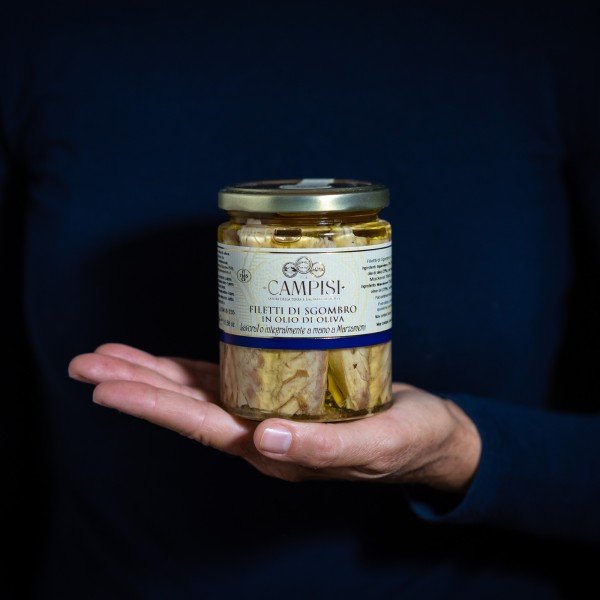
Filetti di Sgombro in Olio di Oliva - 300gr
At Italy Bite: A Casentino shop shipping self-tested Italian food worldwide for one flat fee, since 2018.
Visit store →
|
|
|
|
|
The Database
Here is what happened this week.
|
12
NEW PRODUCTS
|
81
RESTOCKED
|
4
PRICE CHANGES
|
|
75
SOLD OUT
|
0
NEW BRANDS
|
0
NEW RETAILERS
|
Figures captured at publication. The market is live and always shifting at mrtinned.com. Every tin now carries a “how to eat” layer, a structured serving guidance you can filter on, live across both AllTinned and MrTinned, where we also added a filter for what will actually ship to your country. A pass went back through hundreds of older descriptions to bring the whole catalogue into one voice. A dozen or so new tins added, while stock churned hard underneath, listings going dark by the dozen and just as many coming back.
|
|
|
The Move
|
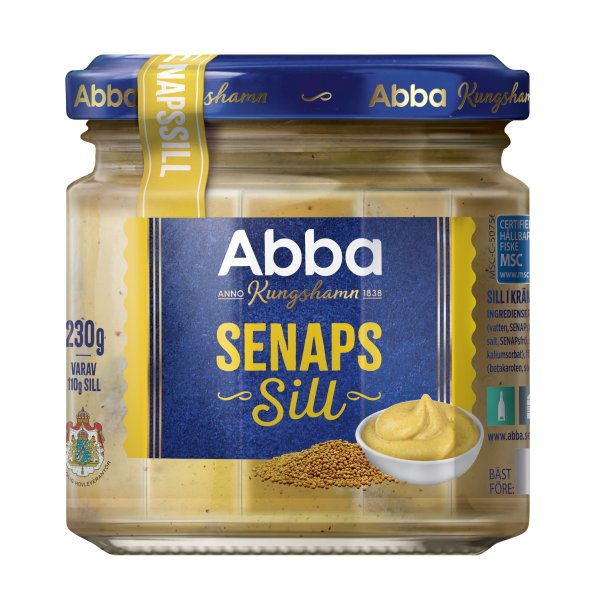
ScandiKitchen cuts Abba mustard herring to $2.49.
Abba is the Swedish herring house so old and so familiar at home that when four Stockholm musicians settled on the name ABBA in 1974, their manager first had to ring the cannery to make sure it would not mind. The company goes back to 1838, takes the initials of the Ameln brothers who ran it, and still packs the pickled herring that turns up on every Swedish holiday table. This is senapssill, herring in a sweet, whole-seed mustard marinade, a finished dish the moment the lid is off. ScandiKitchen has taken it from $3.49 to $2.49. Eat it cold on dark rye with a boiled potato and a hard egg, the way Sweden does.
$2.49
$3.49
29% OFF
Buy now →Price history and watch →
|
|
|
|
The Tin
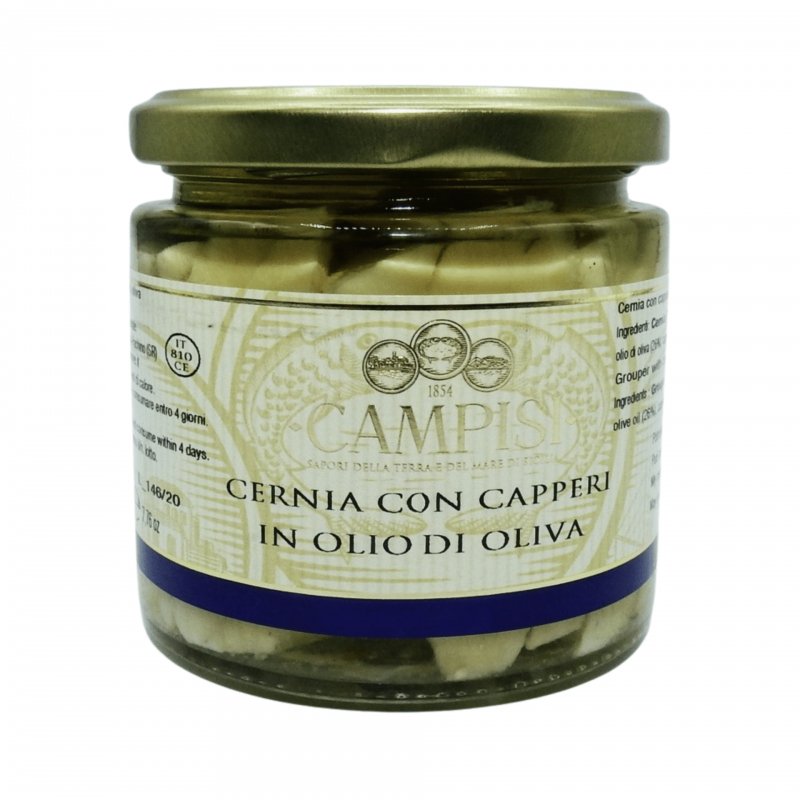
Grouper with Capers
CAMPISI CONSERVE · MARZAMEMI, SICILY · EMPORIO SICILIA
A tuna-trap village, canning the rest of its catch. Campisi has worked out of Marzamemi since 1854, the little Sicilian port whose tonnara, the Arab-built tuna trap, was once the most important on the island's eastern coast. The house is known for its bluefin, but this is the other Sicily in a tin: cernia, grouper, a firm white fish of the rocky Mediterranean bottom that rarely reaches a can at all. The fish is packed in olive oil with capers, the salted flower buds that grow wild across the Sicilian southeast and season half its cooking. Grouper holds its shape where a softer fish would shred, so it comes out of the tin in clean white pieces, mild and faintly sweet, the capers cutting the richness with a briny snap. It eats like a small Sicilian lunch already assembled. Flake it over pasta with some of the oil and a squeeze of lemon, pile it on toasted bread with a slice of tomato, or eat it straight with a fork and let the capers do the seasoning. $18 at Emporio Sicilia. |
What are you opening this week? Tell us → |
|
|
The Deal
|
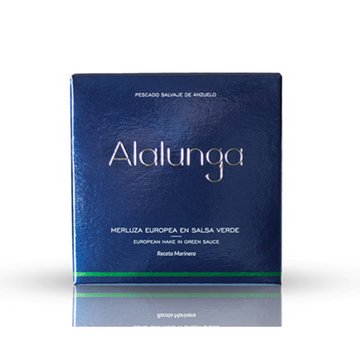
DECANT Napa takes ten percent off Basque hake cheeks in green sauce.
Kokotxas are the quiet luxury of Basque cooking: the small, gelatinous cut from beneath a hake's chin, a few grams per fish, usually kept for the good kitchens. Artesanos Alalunga cans them from line-caught Cantabrian hake and simmers them in salsa verde, the garlic and parsley sauce the Basques thicken with the gelatin the cheeks themselves give off. DECANT Napa has the tin at $38 from $42. Warm it through very gently and eat it with bread to catch the sauce; the whole point of a cheek is the softness, so keep it away from real heat.
$38.00
$42.00
10% OFF
Buy now →Price history and watch →
|
|
|
|
The Find
“Trying my best to like Sardines”
A poster on r/tinnedfish admits the honest thing: they always loved the idea of sardines, grew up on the cheap supermarket tins, and could never get past the aftertaste. This time they reached for a better can, Matiz wild sardines in spicy oil, warmed them in a pan with herb butter and garlic, and finally got it, not dry, meaty, full of flavour. The comments fill with the same arc from other converts, most of them arriving by way of a single good tin and a few minutes of heat. It is the lesson this newsletter keeps landing on from a new angle: the fish you think you dislike is often just the fish you met at its cheapest and coldest. Read the fish, and give it a chance to be itself.
Read the thread →
|
|
|
The Radar
The tin gets dearer.
Last week the tariff was on the fish; this week it is on the can. American canmakers import close to eighty percent of their tinplate, the United States' Section 232 duty on imported steel and tinplate is running at fifty percent, and Washington has floated a further preliminary tariff on the foreign tin used specifically to can seafood. The Can Manufacturers Institute is warning of steeper rises this year than last. The metal wrapped around the fish has become its own line on the bill.
A pantry changes hands.
Atalanta, a large New Jersey importer, has agreed to buy J.A. Kirsch, a canned-seafood wholesaler founded in 1905 that moves tuna, salmon, sardines and anchovies under more than a hundred labels. A deal like this rarely reaches the shelf as news, but it quietly helps decide which brands end up in which shops.
King Oscar crosses the border.
King Oscar, the Norwegian brisling house that has worn the same royal face since 1902, has entered Canada for the first time, opening with its sardines and its skinless mackerel. A small move, but a rare one for a brand that has spent a century mostly standing still.
|
|
|
The Close
Next week: the small silver fish the whole industry was built to catch, the one most people have never once tasted at its best.
|
|
|
Was this issue useful?
Yes →
No →
|
|
|
Writing about tinned fish? Our data is quotable with attribution. Reply to this email.
© 2026 MrTinned. All rights reserved.
PO Box 2941, Winnetka, CA 91396, US
|
|