|
MrTinned Report
| Issue 18 |
Saturday, 12 September 2026 |
Weekly |
Forwarded by a friend? The weekly report is free. Get your own → |
|
|
The Open
In Craster, on the Northumberland coast, a herring is split, gutted, brined, and hung inside a stone smokehouse that has stood for more than a hundred years, where it cures for sixteen hours over oak and whitewood shavings kept smoldering, never burning, until it comes out a kipper. It is raw the entire time, the way good sushi is raw, kept safe by salt and hours rather than heat. Four hundred miles east, on the Danish island of Bornholm, a herring goes onto a grill over a fire that is allowed to actually burn. It dries in the open flame for about two hours, the flames are smothered down to embers, and it smokes in the thick grey haze for two hours more, coming out fully cooked, the way a steak off a grill is cooked. Cold smoking is the older trick and the harder sell to explain, because the smoke is doing less of the work than the name suggests. The temperature stays under about 85 degrees Fahrenheit, well below anything that cooks a protein, so nothing in the process actually kills bacteria the way heat does. The job falls entirely to salt: cold-smoked fish is traditionally cured in a heavy brine, historically run as high as fifteen or sixteen percent salt, long enough and strong enough to draw out moisture and make the flesh inhospitable to spoilage on its own. The smoke that follows adds flavor and a thin layer of its own antimicrobial help on the surface, but it is riding on a cure that would mostly work without it. A kipper is closer, chemically, to a cured ham than to a cooked fish. Hot smoking flips every part of that arrangement. The temperature runs anywhere from about 120 up past 200 degrees Fahrenheit, hot enough that the fish has to reach 145 degrees at its center and hold there for half an hour, the same benchmark any oven or stovetop uses to call a piece of protein safely cooked. Because the heat itself is doing the killing, the salt in a hot-smoked fish is usually a token two or three percent, placed there for taste rather than preservation, and the whole process takes hours rather than the weeks a serious cold cure once needed. What comes out the other end flakes the way any cooked fish flakes, because it is one. On Bornholm, the tradition arrived with Scottish soldiers stationed at the old fort on Christiansø in the early 1800s, and the first proper smokehouse went up in the herring town of Gudhjem in 1866. Within a few decades the town had so many of them running at once that people started calling it the town of a hundred chimneys. The dish that made it famous, sol over Gudhjem, sun over Gudhjem, sets a whole hot-smoked herring topped with a raw egg yolk, radish, and spring onion: a fully cooked fish served under the one genuinely raw thing left on the plate. So the two techniques are not two points on the same dial, one gentler than the other. They are a cure that happens to use smoke and a cooking method that happens to use smoke, sharing a word by accident of language rather than by any real kinship in the kitchen. A tin flattens some of that difference back down, whether it means to or not. Canning a fish means sealing it and running the can through a retort, typically somewhere around 116 to 121 degrees Celsius, hot enough to sterilize whatever is inside regardless of what happened to it before the lid went on. A hot-smoked fish arrives at that step already cooked, so the retort just reseals and slightly extends a job the smokehouse had already finished. A cold-smoked fish arrives having never once been heated, cured but still raw, and the retort becomes the first real heat it has ever met, weeks after the smoke did. The cure that kept it safely raw for its first days on a shelf stops being the thing keeping it safe at all once a can takes over that job by force. Which means a tin can never quite deliver the thing a cold smokehouse spends sixteen hours building. It can only deliver something cured like a kipper and then cooked like one anyway, because a shelf-stable can leaves the process no other option. The most faithful version of a cold smoke left anywhere might be the kind that was never built to survive a shelf at all: sold whole out of a stone building on a coast, eaten within the week, still raw when it reaches the plate.
|
|
|
House pick
|
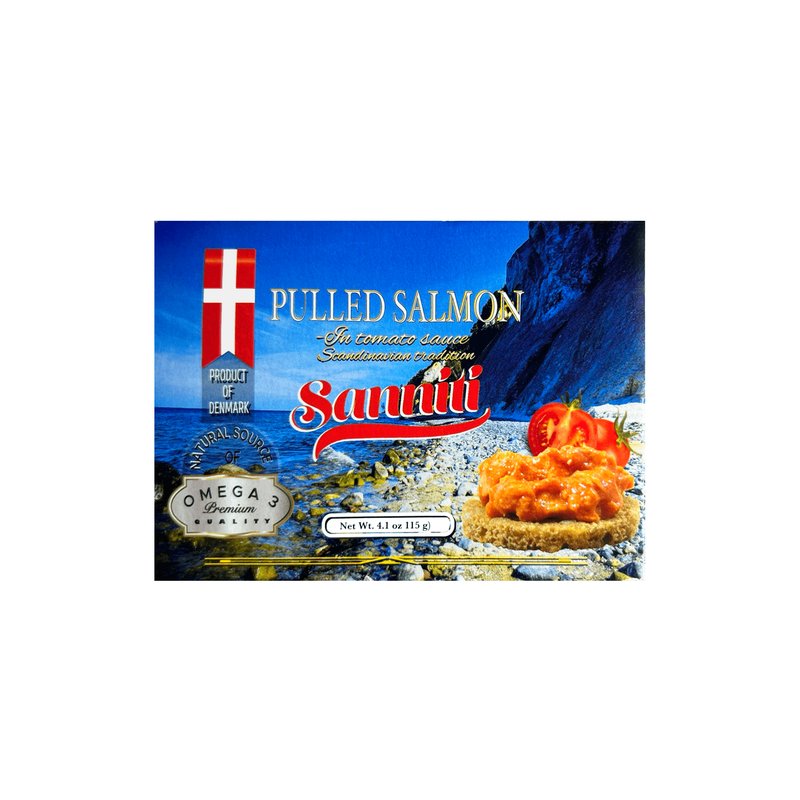
Pulled Salmon in Tomato Sauce
At Supermarket Italy: Online Italian food retailer carrying an extensive selection of Italian specialty products including canned tuna, anchovies, and Mediterranean seafood.
Visit store →
|
|
|
|
|
The Database
Here is what happened this week.
|
98
NEW PRODUCTS
|
1788
RESTOCKED
|
199
PRICE CHANGES
|
|
378
SOLD OUT
|
5
NEW BRANDS
|
0
NEW RETAILERS
|
Figures captured at publication. The market is live and always shifting at mrtinned.com. This week leaned toward repairs again: a live outage traced to an exhausted quota got caught and fixed the same day, and a fresh batch of brand write-ups went up across the catalog. The usual restocking and price-checking kept running by the thousands, and a housekeeping pass cleaned up a run of duplicate and mistagged listings.
|
|
|
The Move
|
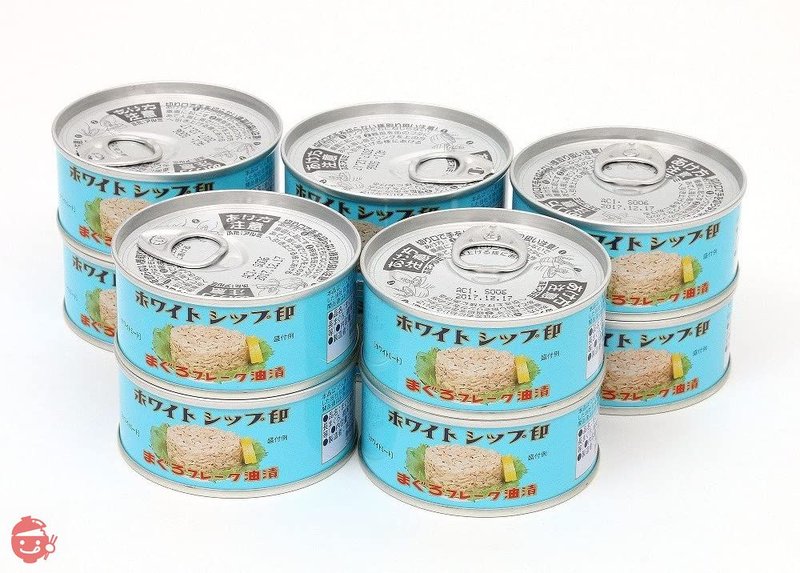
Japacle cuts Yui Cannery's tuna flake in cottonseed oil 17 percent, ten cans at once.
Yui Cannery is based in Yui, a former Tōkaidō post town folded into Shimizu, Shizuoka in 2008, a stretch of coastline whose waterfront was once thick with its own canneries. This one packs its tuna flake in cottonseed oil instead of the olive oil most tins reach for, a lighter, more neutral fat that lets the fish carry its own flavor rather than layering something fruitier on top. The price has held at $37.88 for twelve straight days in our own tracking, not a one-day blip, down from a $45.72 baseline. Flake it straight over rice with a few drops of soy, which is clearly what ten cans in one box are for.
$37.88
$45.72
17% OFF
Buy now →Price history and watch →
|
|
|
|
The Tin
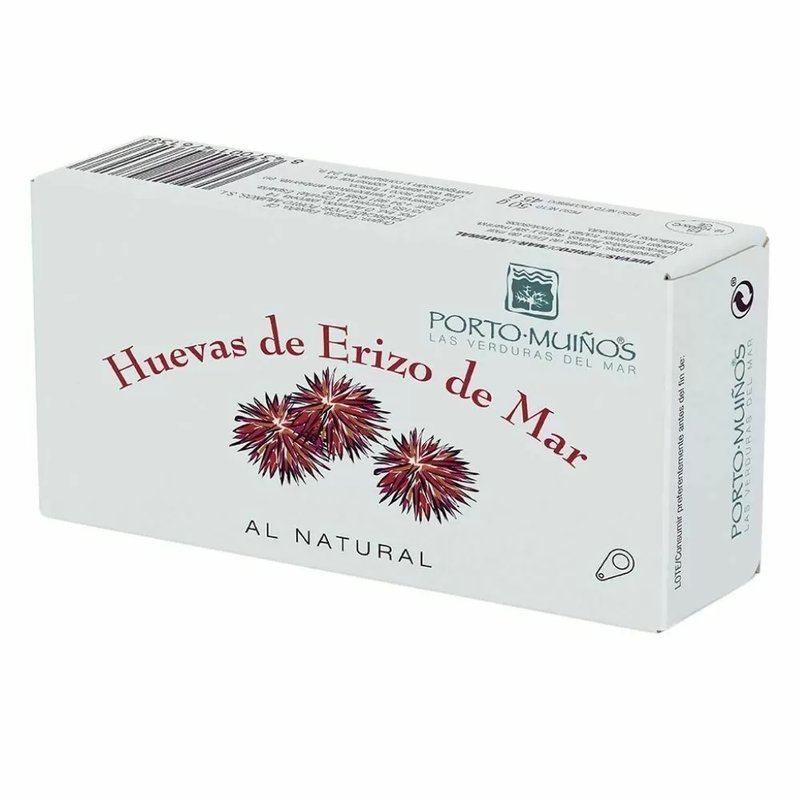
Sea Urchin Roe Natural (In Brine)
PORTO-MUIÑOS · GALICIA, SPAIN · SEA URCHIN ROE IN BRINE · EAT MORE FISH
The one edible part of the animal, and it isn't meat. Sea urchin roe is not muscle, it is gonad, the only part of the animal worth opening a shell for. Paracentrotus lividus, the purple sea urchin named right on this tin, is common along the Galician and wider Mediterranean coast, where it has traditionally been eaten raw with a squeeze of lemon, long before Japan turned uni into a delicacy that can clear $360 a kilogram and draws in roughly fifty thousand tons of global demand a year. Porto-Muiños packs this one in nothing but water and sea salt: no oil, no smoke, no sauce. What comes out is orange, smooth, and intensely of the sea, ready to eat straight from the tin with no cooking required. Spread it cold on warm toast, or skip the toast and work it into a cream, a soup base, or a seafood sauce. €24.00 for a 50g tin at Eat More Fish. |
What are you opening this week? Tell us → |
|
|
The Deal
|
Eataly takes 25 percent off Callipo's tuna in olive oil, three-tin pack.
Giacinto Callipo's plainest pack, split into three small tins instead of one, built for spreading across a week of quick lunches rather than a single sitting. Live -25% badge on the product page, and observed in our own price history, not just retailer-claimed.
$10.49
$13.99
25% OFF
Buy now →Price history and watch →
|
|
|
|
The Find
A reader who calls themselves "somewhere between being frugal and being a sardine snob" picked up a $1.50 tin of sardines and a $1.50 tin of herring fillets at a Dollar Tree on a whim. Their own verdict, quoted: "to be honest they weren't that bad. They just didn't have a lot of flavor, which is probably what endears this brand to a lot of people." No reversal, no lecture, just a three-dollar experiment landing exactly where the cheapest tin in the aisle usually does: fine, plain, and something you can dress up. Read the fish, not the price tag. |
|
|
The Radar
Peru opens a smaller season.
Peru's first 2026 anchovy season is confirmed at 1.91 million metric tons, down 36 percent year on year, with fishmeal spot prices near $2,500 a ton, a record. Most of that catch goes to fishmeal and oil rather than tins, so there's no direct pricing claim to make here, but it's one more small pelagic fishery having a hard year at the same time as several others.
Sardines are having a moment whether the fishery likes it or not.
CNN covered Fishwife tins being sold as $20 merch at a concert this month, part of a trend now nicknamed sardinemaxxing, tied to Gen Z interest in wellness and omega-3s. Trade coverage puts the category's growth at 51 percent year over year, the biggest jump of any high-protein aisle this year.
Skipjack gets pricier at the dock.
Pole-and-line skipjack, the fish behind roughly 70 percent of US canned tuna, is trading 15 to 25 percent above purse-seine boats at the processor gate, and prices out of Manta and Bangkok have been climbing this year on slow catches and high fuel costs. Worth watching, not yet worth a full write up.
|
|
|
The Close
Next week: the same fish, off one line, priced four different ways, it depends on the cuts.
|
|
|
Was this issue useful?
Yes →
No →
|
|
|
Writing about tinned fish? Our data is quotable with attribution. Reply to this email.
© 2026 MrTinned. All rights reserved.
PO Box 2941, Winnetka, CA 91396, US
|
|