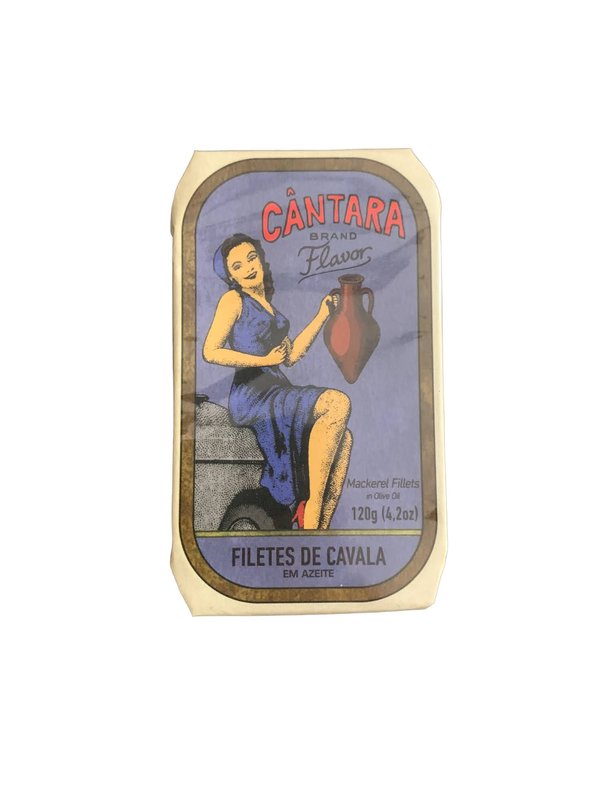
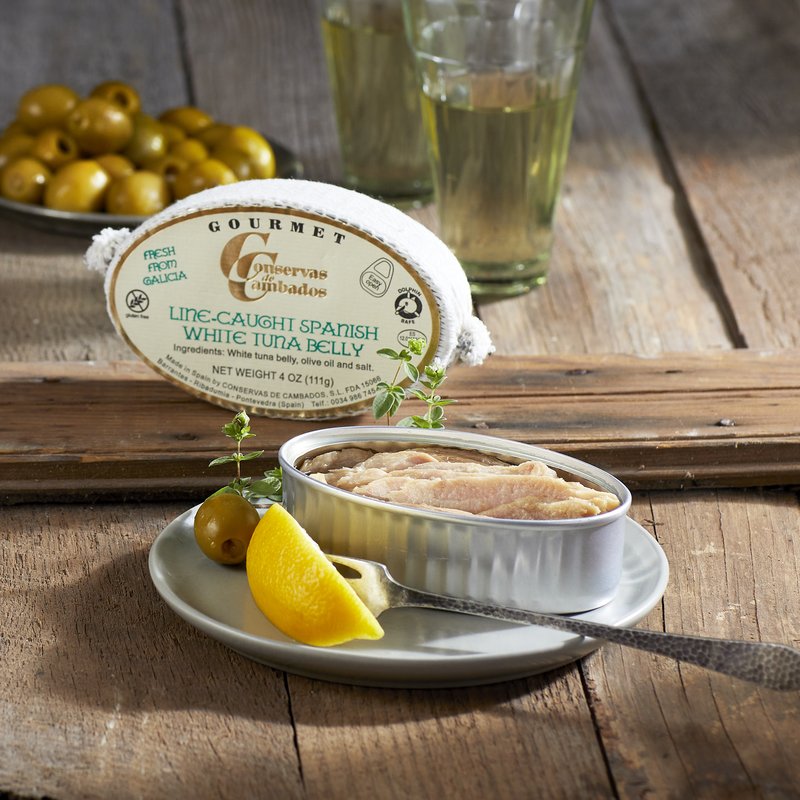
The fish in more tins than almost anything else, and why you should not take that for granted.
The grocery store version is ubiquitous: large, cheap, mild, often in tomato sauce or spring water, packed in a ring-pull can, sold in the budget aisle. It sits next to the canned tuna and nobody thinks much of it. It has been there so long that it's become nearly invisible.
The Atlantic mackerel, Scomber scombrus, is one of the most efficiently harvested fish in the sea. It travels in enormous schools close to the surface. It is fast, fat in the right seasons, available in industrial quantities, and forgiving to process. It helped build the tinned food industry in Britain in the nineteenth century and kept protein affordable across Europe through two world wars. It still accounts for a significant share of everything in the canned seafood aisle today.
Norway's mackerel catch fell sharply in 2025, from roughly 250,000 tonnes the year before to about 156,000. Prices went the other way. In November 2025 the export price for frozen whole mackerel passed 50 Norwegian kroner per kilogram for the first time on record. Jan Eirik Johnsen, the Norwegian Seafood Council's head of pelagic species, has described the price levels as historically high.
The cause is not a single season of bad fishing. The International Council for the Exploration of the Sea has been issuing increasingly alarmed advice for several years. Last October, ICES recommended cutting the 2026 total allowable catch by 70 percent. The North-East Atlantic mackerel stock has declined 77 percent over the last decade, and the fish has been overfished continuously for longer than that.
What happened next was the kind of thing that makes fisheries management difficult to watch. In December 2025, four coastal states, the UK, Norway, Iceland, and the Faroe Islands, reached a deal. They agreed to cut their collective catch by 48 percent for 2026. The four-party agreement set a total allowable catch of 299,010 tonnes. ICES had recommended 174,357. The European Union, which was not consulted and is not party to the agreement, issued a statement of deep concern. Russia, also outside the deal, is expected to take more than 100,000 tonnes on its own. The total fishing pressure in 2026, across all parties, is projected to exceed 400,000 tonnes. More than double the scientific recommendation.
Waitrose, the UK supermarket chain, did what governments have not. In February it announced it would suspend sourcing of fresh, chilled and frozen mackerel by April 29, 2026. Tinned mackerel would follow once current stock sold through. The reason given was direct: the 48 percent cut does not meet ICES advice, and from May 2026 North-East Atlantic mackerel would no longer meet Waitrose's responsible sourcing requirements.
This is the context for a fish you can still find for two dollars a tin. The production that fills those cans comes from stocks that are shrinking faster than the quotas being set to protect them, handled by an international system that cannot agree on a number, priced higher at the source than at any point in recorded history. The cheap aisle product has a complicated supply chain and there is no obvious reason to expect prices to stay where they are.
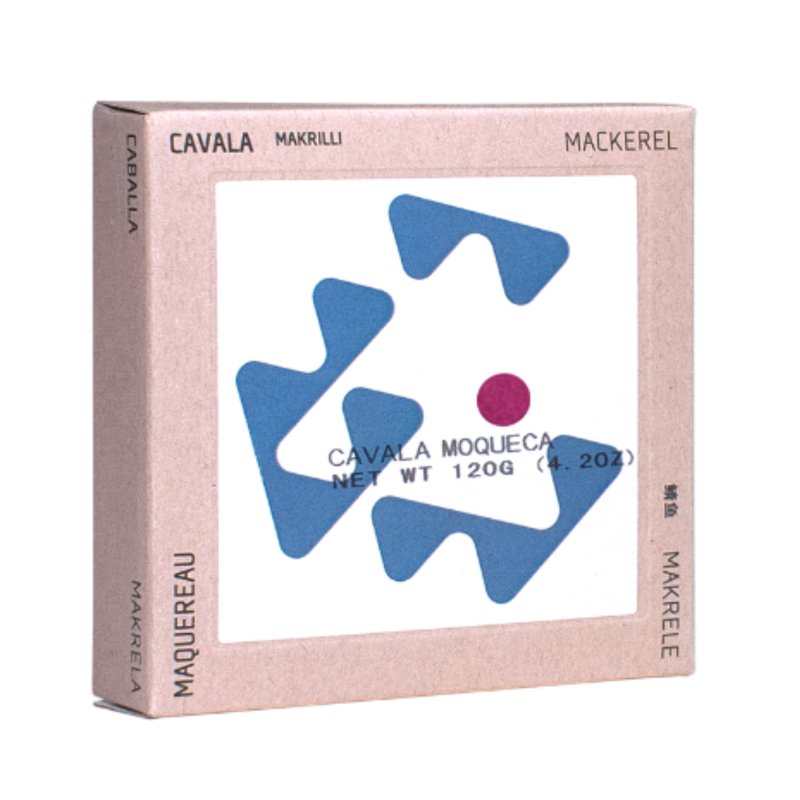
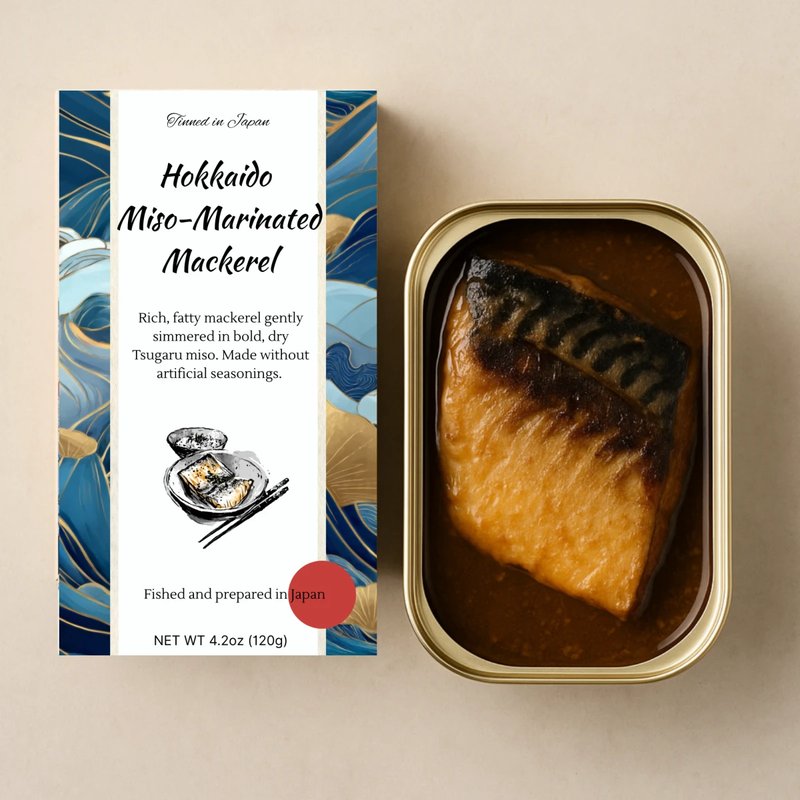
The good mackerel has always been separate from all of this. Cantabrian mackerel is handline caught, then packed in high-quality olive oil by producers who care about what they put in a tin. Atlantic mackerel from Cornwall or Scotland is handled carefully, smoked and sealed by people who treat it as a serious ingredient rather than a commodity. Japanese saba is prepared with soy, mirin and vinegar then sold in small runs to people who know what they are looking for. These exist at a different tier and they are not facing the supply crisis in the same way.
But the visibility of tinned mackerel as a category depends on the cheap version staying on shelves and staying affordable. When the floor moves, everything shifts. A tin that nobody thought much about turns out to have been doing a lot of the structural work.
So it's time to stock up when you find quality at a reasonable price. This advice is not new. It just applies more now than it ever did before.