|
MrTinned Report
| Issue 7 |
Saturday, 27 June 2026 |
Weekly |
Forwarded by a friend? The weekly report is free. Get your own → |
|
|
The Open
Breadof the Sea
The fish that is in Portugal's national dish is not Portuguese, it was never even caught in Portuguese waters.
Bacalhau is salt cod, and the cod is Gadus morhua, a cold-water fish from the far North Atlantic that has no business near the Iberian coast. The Portuguese have created like a thousand recipes around it, eat more cod than almost anyone else, they even call it fiel amigo, the faithful friend. The whole edifice rests on a fish they had to sail for thousands of miles to get, and on the one chemical fact that made the journey worth it.
That fact is fat, actually the lack of it. Cod is barely two percent fat and more than eighteen percent protein. Salt cannot penetrate fat. In an oily fish like a sardine the cure stalls; in lean cod it drives all the way through, pulls the water out, and leaves something that will keep for years. The Vikings learned to wind-dry cod into stockfish hard as a board. The Basques, those secretive cod fishermen who closely guarded their North Atlantic grounds from the tenth century to the early 1600s and never told anyone where these waters were, added salt to the method and made it even better. By 1508, salt cod was already ten percent of the fish sold in the ports of the Douro and Minho. By the mid-1500s it was reportedly sixty percent of all fish eaten in Europe.
Portugal formalized its own cod fishery in 1501, and Dom Manuel was taxing cod tithes by 1506. Then it largely drifted away. The Newfoundland fleet decayed through the 1600s, the great port of Aveiro silted over, and for almost two centuries Portugal went from cod producer to cod importer, buying its faithful friend from the English and the Norwegians.
Politics, not appetite is what brought back cod. Salazar, an economist before he became a dictator, watched the cod prices convulse in the 1920s and decided a cheap, storable national protein was a matter of state. The Estado Novo built the Campanha do Bacalhau around exactly that: the government set the price, cartelized the supply, restricted imports, financed the ships, and recruited the crews through the Casas de Pescadores, sparing men from the military service if they fished. The fleet grew from 34 vessels in 1934 to 77 by 1958. Each spring the ships sailed for the Newfoundland and Greenland banks, once there the men fished the old way, rowing out alone in one-man dories to hand-line cod in the cold and the fog, the catch was gutted and salted aboard ship in shifts that ran past dark. During the war, neutral Portugal painted the ships white with the flag in plain view so the U-boats would leave them alone, and so the cod kept coming. Estado Novo propaganda called it the bread of the sea.
Refrigeration should have ended all of it. Once you can freeze fish you no longer need to salt it, and cheaper fresh cod was right there. But by then the soaking and the cooking had outlived the reason. The Portuguese kept buying the dried board because somewhere in those four centuries the preserved version stopped being the compromise and became the thing they actually want. Today seventy percent of their cod comes from Norway, almost none of it off a Portuguese boat.
That dried slab is not what you will find in a tin, though. True bacalhau is a fishmonger's product, sold dry and soaked at home before it ever meets heat. What reaches the can is the next step on: cod that’s already cooked, in olive oil, in Biscay sauce, in garlic, a finished dish rather than raw material. A tin of Portuguese or Spanish cod is the easy descendant of a fish that once needed a fleet, a dictatorship, and two days of changed water to get to the table. The work is all done, now you get to just open it.
|
|
|
House pick
|
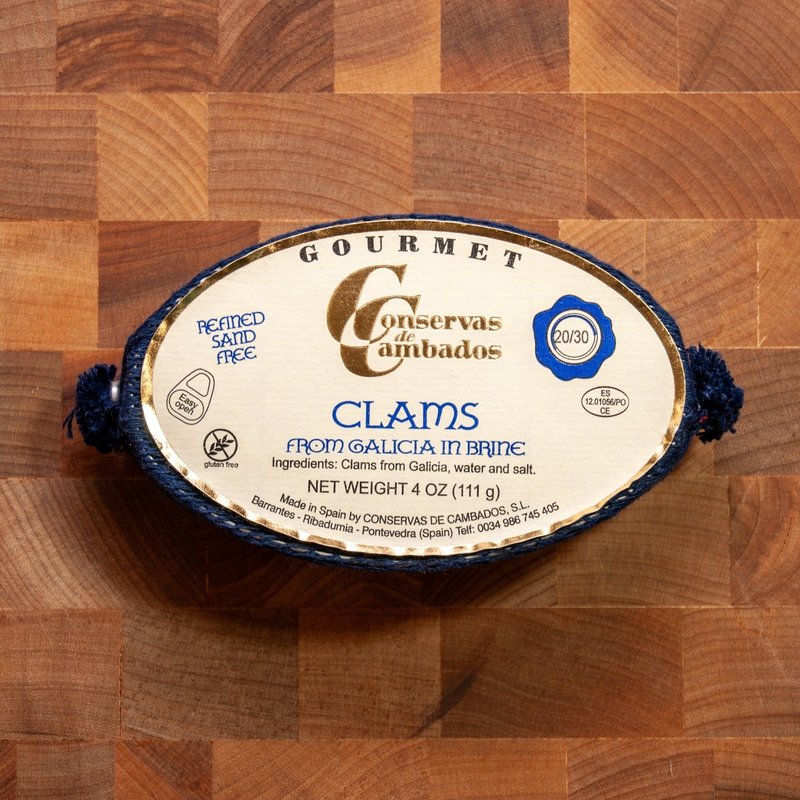
Galician Clams in Brine 20/30
At FishNook: Every tin tasted and vetted before it earns a spot, from Galician mussels to Danish Fangst.
Visit store →
|
|
|
|
|
The Database
Here is what happened this week.
|
17
NEW PRODUCTS
|
45
RESTOCKED
|
47
PRICE CHANGES
|
34
|
0
NEW BRANDS
|
0
NEW RETAILERS
|
Figures captured at publication. The market is live and always shifting at mrtinned.com. A maintenance week more than a discovery one: seventeen new products, no new brands or retailers. Most of the effort spent on database tuning. The main job was stock accuracy.
|
|
|
The Move
|
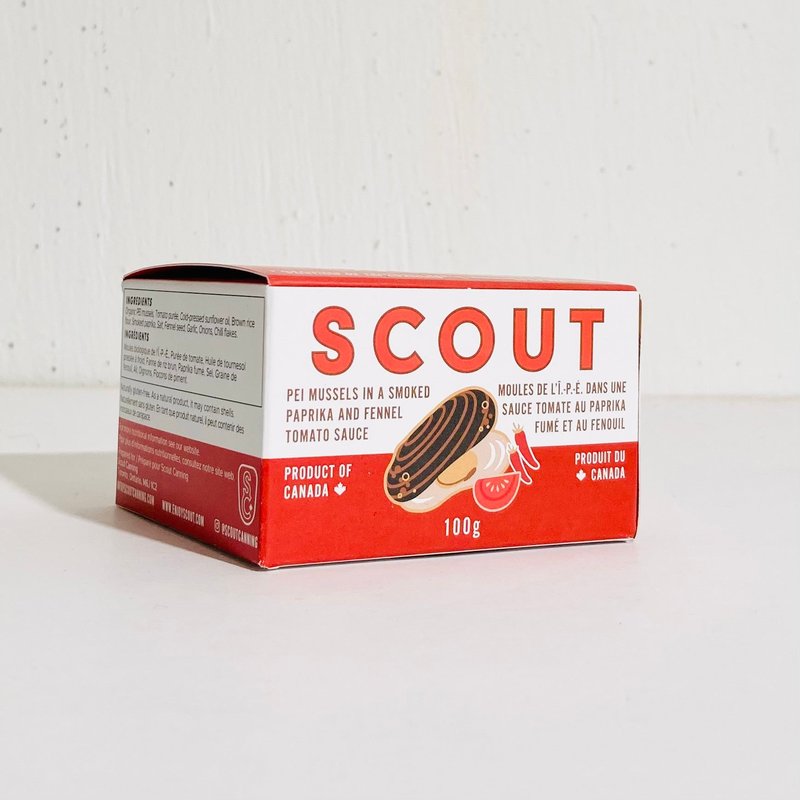
Good Cheese cuts Scout PEI mussels 31%.
Scout cans Atlantic mussels on Prince Edward Island, close to where they are pulled, and these are the better kind of mussel tin: plump rope-grown mussels in a smoked paprika and fennel tomato sauce, more the start of a meal than a snack. Good Cheese has them at a real 31 percent cut. Spoon them over toast or fold them through pasta with their own sauce.
$9.00
$13.00
31% OFF
Buy now →Price history and watch →
|
|
|
|
The Tin
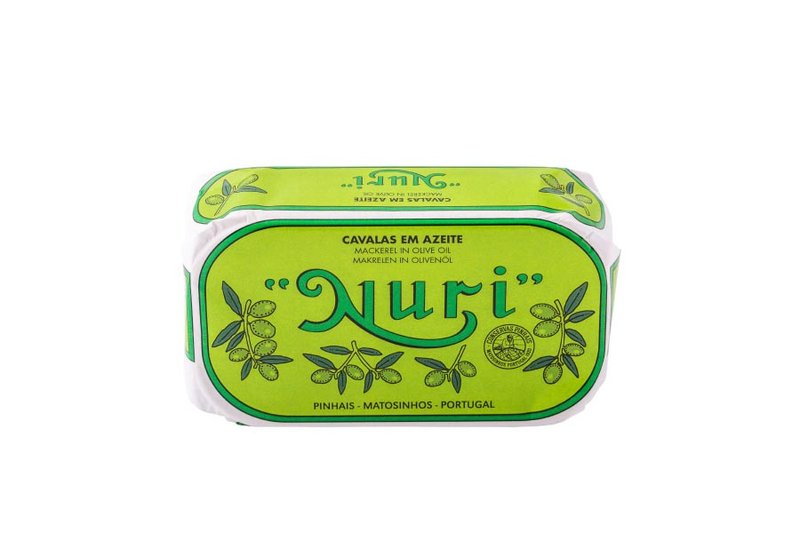
NURI Mackerel in Olive Oil
NURI · PINHAIS · PORTUGAL · FROM THE CANNERY
Bought from the people who packed it. Other stores will sell you this tin for about a dollar cheaper, and that is worth saying. But this one will ship straight from Conservas Pinhais in Matosinhos, the cannery that has been making NURI since 1936. It still does nearly everything by hand: fish bought each morning at the Matosinhos market, sorted by touch, cleaned, packed, and wrapped in the vintage paper one tin at a time, thirty-seven steps before a can leaves the building. NURI is mostly known for sardines, but they also run mackerel the same way and to that same standard. This is the plain tin, and the ingredient list is the whole point: mackerel, olive oil, salt. Nothing else. Firm, clean fillets that taste like the fish and the oil and not much besides. Eat it on bread with some of the oil, or warm and flaked over rice. Buying it direct is the shortest the chain gets, the tin going from the bench it was sealed on to your shelf. $8.95 direct from Pinhais. |
What are you opening this week? Tell us → |
|
|
The Deal
|
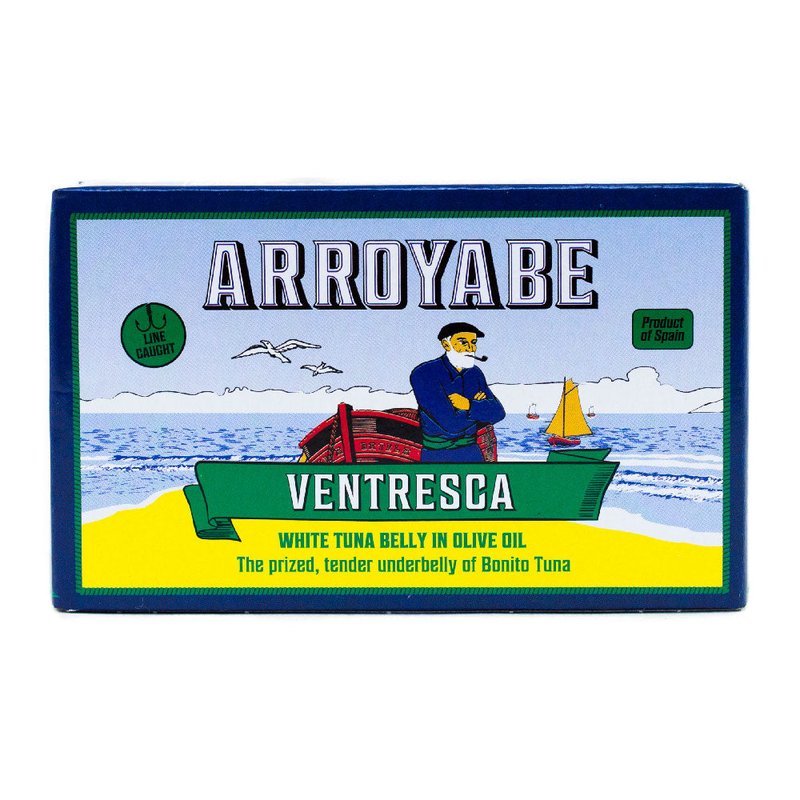
Market Hall takes a fifth off Arroyabe tuna belly.
Ventresca is the belly of the tuna, the softest and most marbled cut, and Arroyabe is a Basque house with over a century behind the craft. Their white tuna belly a clean 20 percent off at Market Hall Foods. A special-occasion tin: enjoy it whole, dress it with its own oil and a little flaky salt.
$19.96
$24.95
20% OFF
Buy now →Price history and watch →
|
|
|
|
The Find
“Euro tins have ruined me.”
A good one on r/CannedSardines this week. Someone opened a tin of King Oscar sardines with jalapeno, found the fish softer than the Jose Gourmet they had eaten the day before, and wondered if the good European tins had spoiled them for everyday brands. Then the thread corrected the premise. The King Oscars are brisling sprats, Sprattus sprattus, not the true sardine, Sardina pilchardus, you get from most French, Spanish, and Portuguese houses. A softer fish by nature, not a lesser one. The poster came back to confirm it themselves, the plain-oil and the capers-and-vinegar King Oscar tins had been fine all along, it was just that one tin. A small lesson in reading the fish, not the flag.
Read the thread →
|
|
|
The Close
Next week: the most transformed fish and quiet umami backbone you already love. The fish you have eaten a hundred times without knowing it was there.
|
|
|
Was this issue useful?
Yes →
No →
|
|
|
Writing about tinned fish? Our data is quotable with attribution. Reply to this email.
© 2026 MrTinned. All rights reserved.
PO Box 2941, Winnetka, CA 91396, US
|